[h3]Tips for Best Results[/h3]
– Use full-fat yogurt for a richer flavour and softer texture.
– Don’t overwork the dough — gentle kneading is enough.
– Cook in a hot, dry pan to get golden spots and puff.
– Cover cooked flatbreads with a clean tea towel to keep warm and soft.
[h3]Variations[/h3]
– Add chopped herbs, garlic or spices to the dough.
– Brush with melted butter or olive oil after cooking.
– Mix in grated cheese or nigella seeds for extra flavour.
– Use Greek yogurt for a thicker, chewier result.
[h3]Serving Ideas[/h3]
– Serve with curries, stews or soups.
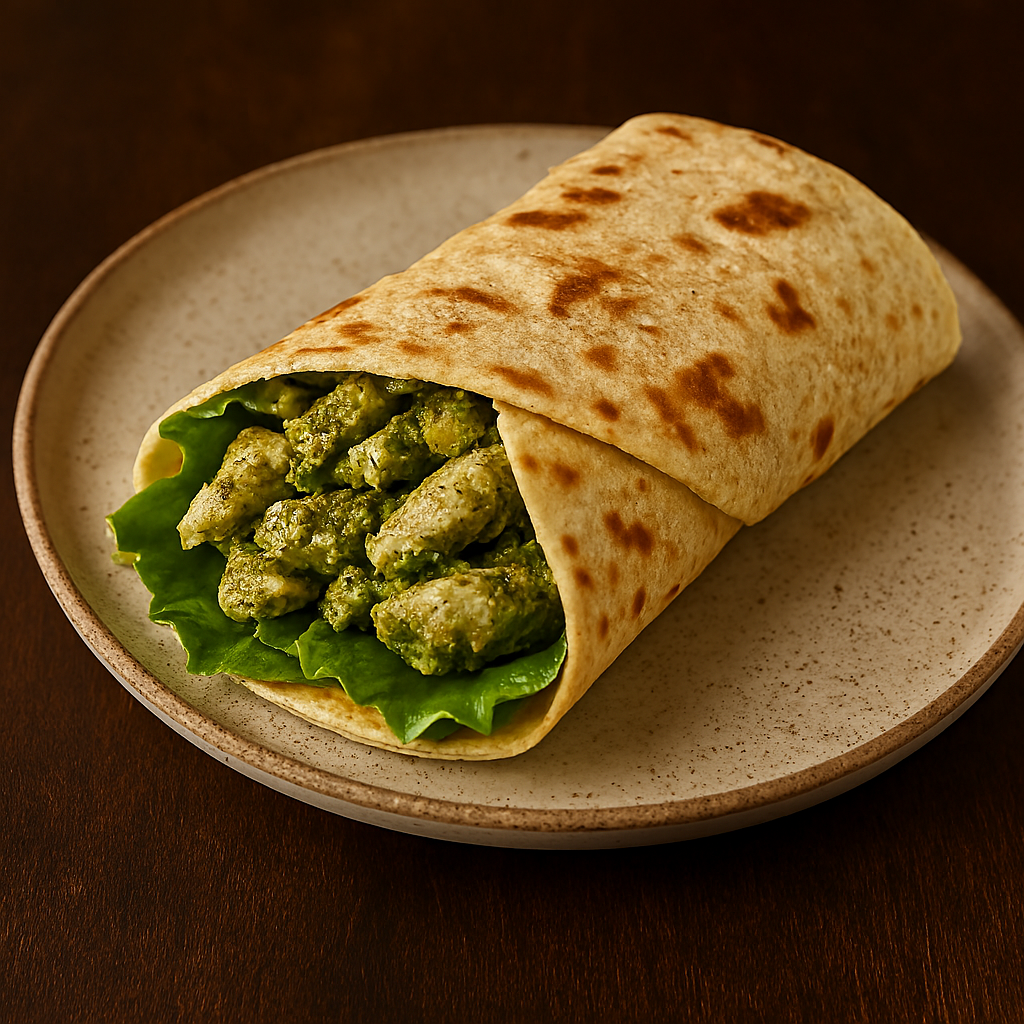
– Use as a wrap for grilled meats or falafel.
– Cut into wedges and dip into houmous or tzatziki.
– Top with pesto, roasted veg or scrambled eggs.
[h3]Storage[/h3]
– Store in an airtight container for up to 2 days.
– Reheat in a dry pan or microwave for 10–15 seconds.
– Freeze flatbreads between sheets of baking paper for up to 1 month.
[h3]Frequently Asked Questions[/h3]
[b]Can I use plain flour instead of self-raising?[/b]
Yes — add 1 tsp baking powder per 100g flour to mimic self-raising.
[b]Can I make these dairy-free?[/b]
Use a thick plant-based yogurt like coconut or soy. Texture may vary slightly.
[b]Why didn’t my flatbreads puff up?[/b]
Make sure the pan is hot enough and the dough isn’t rolled too thin. A little steam helps them rise.
[b]Are these flatbreads healthy?[/b]
They’re low in fat and made with simple ingredients. For more on healthy bread swaps, see the NHS guide